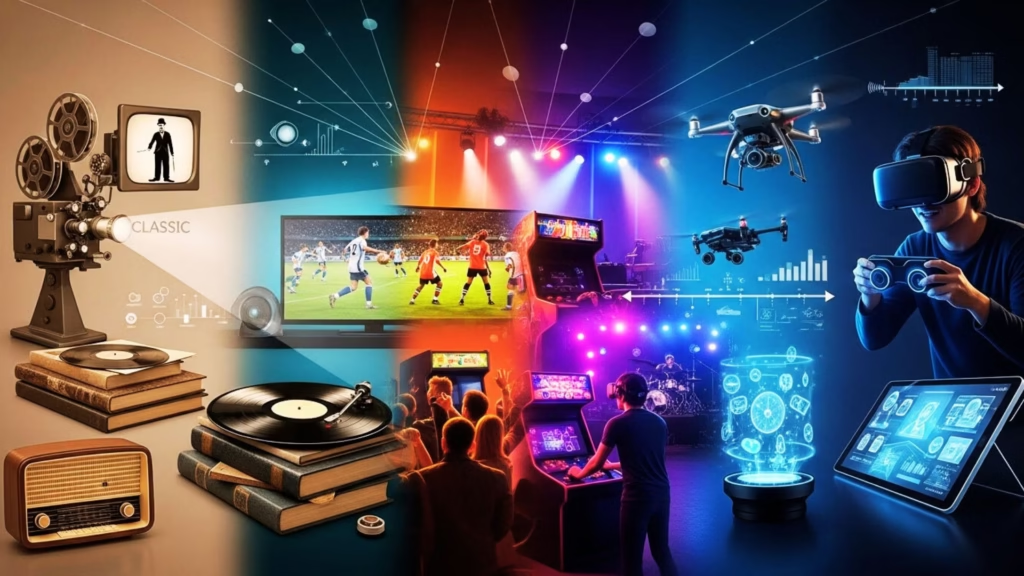
Entertainment has always been an important part of human life. Over time, it has changed dramatically, evolving from traditional forms like theater and radio to modern digital media platforms. Understanding this evolution helps us appreciate how technology, culture, and creativity shape the way people enjoy leisure activities.
Traditional Entertainment
Traditional entertainment includes forms that existed before digital technology became widespread. These forms relied on physical presence and manual media.
Examples of Traditional Entertainment
- Theater and Drama: Live performances that tell stories through acting
- Music and Concerts: Live bands, classical music, and folk performances
- Radio and Television: Broadcast shows, news, and music programs
- Books and Magazines: Reading for education, knowledge, or leisure
- Sports and Games: Local tournaments, board games, and outdoor games
Features of Traditional Entertainment
- Limited audience reach (local or regional)
- Relies on physical venues and scheduled timings
- Focuses on personal or community experiences
- Revenue comes from tickets, subscriptions, or advertisements
Traditional entertainment helped build culture, social connections, and community identity.
The Shift Toward Digital Media
With the rise of computers, the internet, and smartphones, entertainment has shifted to digital platforms. This shift has expanded reach, accessibility, and interaction.
Digital Entertainment Examples
- Streaming Services: Movies, TV shows, and music on Netflix, Spotify, and YouTube
- Video Games and eSports: Online gaming, competitions, and interactive platforms
- Social Media Content: TikTok, Instagram reels, and digital videos
- Online Sports and Events: Live streams of games, virtual tournaments
- Digital Books and Podcasts: Accessible anytime on phones and tablets
Digital entertainment allows instant access and personalization based on user preferences.
Key Differences Between Traditional and Digital Entertainment
| Feature | Traditional Entertainment | Digital Entertainment |
| Accessibility | Limited by location and time | Accessible globally anytime |
| Interaction | Mostly passive (watching or listening) | Interactive and participatory |
| Distribution | Physical or broadcast media | Internet-based streaming and downloads |
| Revenue Sources | Tickets, ads, subscriptions | Ads, subscriptions, microtransactions, sponsorships |
| Audience Reach | Local or regional | Global |
| Examples | Theater, radio, concerts | YouTube, Netflix, eSports, online games |
The digital revolution transformed entertainment from a scheduled activity to an on-demand experience.
Benefits of Digital Entertainment
- Convenience: Watch, play, or listen anytime
- Variety: Access to global content across languages and cultures
- Personalization: Platforms suggest content based on preferences
- Interactivity: Users can comment, share, and participate in games or social media trends
- Global Reach: Content creators can reach millions worldwide
Even traditional formats like sports now use digital platforms to engage fans through online results, updates, and predictions. Platforms like LE BOSS DU TURF combine entertainment and real-time interaction, allowing users to enjoy digital sports content and betting tips conveniently.
Challenges in the Digital Shift
While digital entertainment has many benefits, it also brings challenges:
- Information Overload: Too much content can overwhelm users
- Digital Addiction: Excessive screen time may affect health
- Privacy Concerns: Personal data can be misused
- Revenue Challenges: Competition is high, making monetization complex
- Cultural Impact: Overemphasis on digital media may reduce local traditional practices
Balancing traditional and digital forms can help maintain cultural diversity and healthy entertainment habits.
How Entertainment Continues to Evolve
The evolution of entertainment is ongoing. Future trends include:
- Virtual Reality (VR) and Augmented Reality (AR): Immersive experiences in movies, games, and concerts
- AI-Powered Content: Personalized recommendations, smart content creation
- Interactive Live Shows: Blending physical and digital experiences
- Global Streaming Platforms: Access to international sports, music, and theater
- Digital Communities: Fans interacting through social media, gaming, and streaming events
Digital entertainment now allows real-time updates, interactive experiences, and global participation, unlike traditional methods.
Why Understanding This Evolution Matters
- Helps appreciate both traditional and modern entertainment
- Shows how technology improves accessibility and engagement
- Highlights the economic impact of digital entertainment globally
- Demonstrates the social and cultural influence of entertainment
- Encourages responsible consumption of digital content
Platforms like LE BOSS DU TURF illustrate how digital media transforms entertainment by combining live updates, gaming, and interactive content for global audiences.
Final Thoughts
Entertainment has come a long way—from live performances, radio, and sports to digital streaming, online games, and social media content. The evolution shows how technology, creativity, and culture shape the ways people enjoy leisure activities.
Digital platforms make entertainment more accessible, interactive, and global, while traditional methods remain valuable for cultural heritage and community bonding. Understanding this evolution helps people enjoy entertainment responsibly and appreciate both the past and the future of media.
Websites like LE BOSS DU TURF demonstrate the modern face of digital entertainment, combining sports, live updates, and interactive experiences for audiences worldwide.