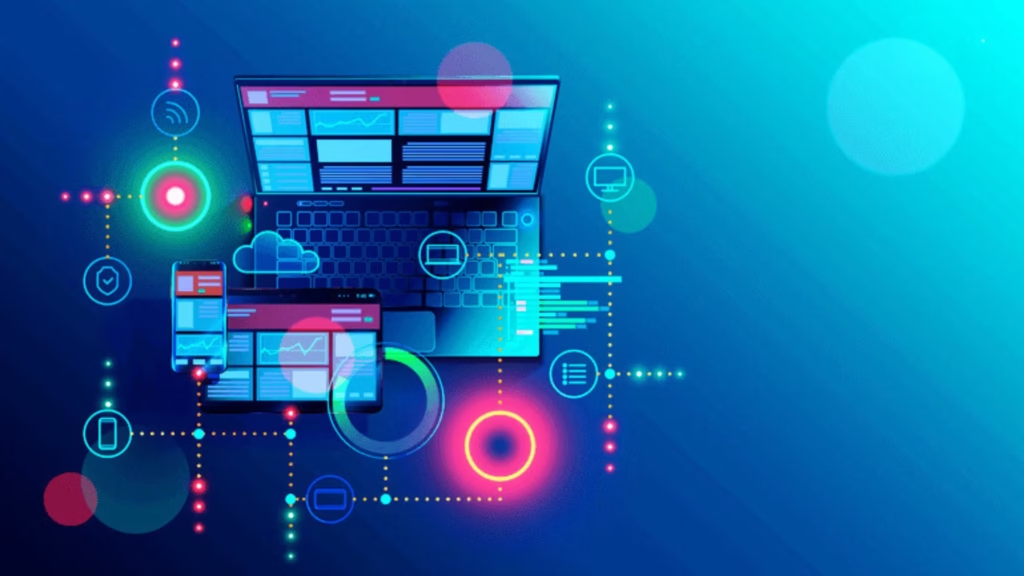
Computers and digital technology have completely changed the way we live, work, and communicate. From simple calculating machines to modern smartphones and cloud computing, the evolution of computers is a fascinating journey. This article explains the history of computers and digital technology in simple English.
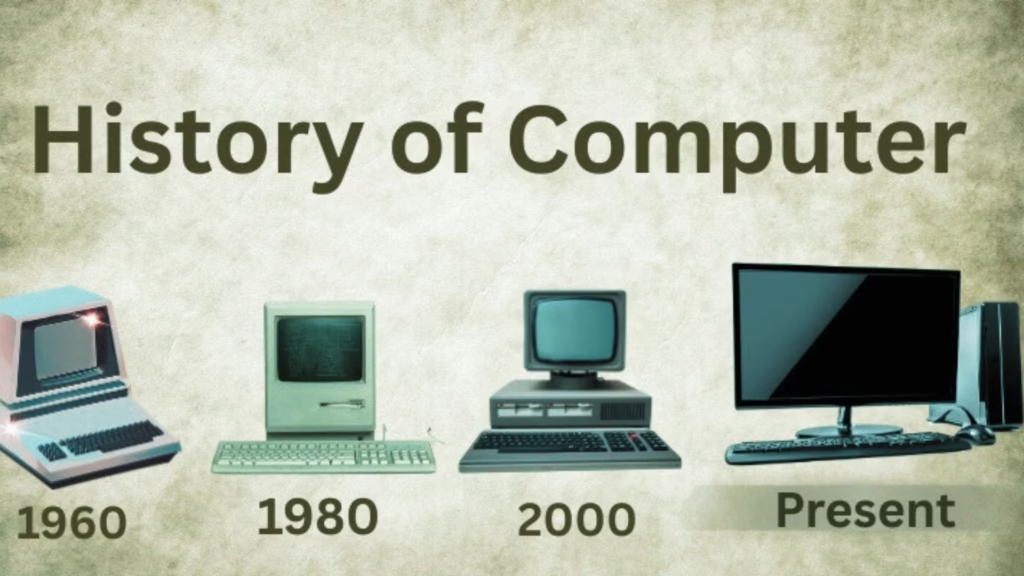
Early Calculating Devices
The history of computing starts long before modern computers.
Examples of Early Devices
- Abacus (around 2400 BC): Used by ancient civilizations like China and Mesopotamia for arithmetic
- Antikythera Mechanism (100 BC): Ancient Greek mechanical device for astronomical calculations
- Slide Rule (1600s): Tool for multiplication, division, and scientific calculations
These devices laid the foundation for more complex computing machines.
Mechanical Computers
Mechanical computers were the first attempts to automate calculations.
Key Inventions
- Pascaline (1642): Blaise Pascal invented a mechanical calculator to add and subtract numbers
- Leibniz Wheel (1673): Gottfried Wilhelm Leibniz improved calculation machines for multiplication and division
- Analytical Engine (1837): Charles Babbage designed the first programmable mechanical computer
- Ada Lovelace: Wrote the first algorithm for Babbage’s machine, considered the first computer programmer
Mechanical computers were slow and limited but inspired future innovations.
Electromechanical Computers
In the early 20th century, electromechanical devices combined mechanical parts with electrical components.
- Tabulating Machine (1890s): Used by Herman Hollerith for US Census data processing
- Zuse Z3 (1941): The first programmable digital computer by Konrad Zuse in Germany
- Colossus (1943): Used in Britain during World War II for code-breaking
These computers were faster than purely mechanical devices and marked the beginning of modern computing.
The Era of Electronic Computers
The real revolution began with fully electronic computers.
Key Milestones
- ENIAC (1945): First general-purpose electronic computer in the USA
- Transistors (1947): Replaced vacuum tubes, making computers smaller and more reliable
- Integrated Circuits (1958): Allowed multiple transistors on a single chip, paving the way for microprocessors
Electronic computers were faster, more reliable, and capable of complex calculations.
Personal Computers and Digital Technology
The 1970s and 1980s saw the rise of personal computers (PCs).
- Altair 8800 (1975): First widely known personal computer kit
- Apple I and II (1976-1977): Made computers accessible to homes and schools
- IBM PC (1981): Standardized PCs for businesses and individuals
Digital technology evolved alongside computers, leading to software development, graphical interfaces, and user-friendly operating systems.
The Internet and Modern Digital Technology
The late 20th century and early 21st century brought the digital revolution.
- ARPANET (1969): Early network that became the basis for the internet
- World Wide Web (1989): Tim Berners-Lee created a system for sharing information globally
- Smartphones and Tablets: Combine computing, communication, and entertainment in portable devices
- Cloud Computing: Allows data storage and software access from anywhere in the world
Today, digital technology is part of every industry, from healthcare and education to entertainment and finance. Platforms like LE BOSS DU TURF use digital technology to deliver live sports updates and interactive content to audiences worldwide.
Key Pioneers in Computing History
- Charles Babbage: Designed the first programmable mechanical computer
- Ada Lovelace: First computer programmer
- Alan Turing: Developed the concept of the modern computer and algorithms
- John von Neumann: Introduced the stored-program architecture for computers
- Steve Jobs & Bill Gates: Popularized personal computers and software for everyday use
These pioneers shaped the computing world we know today.
Impact of Computers and Digital Technology
Computers and digital technology have transformed every aspect of life:
- Communication: Email, video calls, and social media connect people globally
- Education: Online learning, simulations, and research tools improve knowledge sharing
- Healthcare: Digital devices monitor patients and manage medical records
- Entertainment: Streaming, video games, and digital content rely on computing technology
- Business: Digital platforms enable e-commerce, banking, and productivity
Without computers, modern society as we know it would not exist.
Final Thoughts
The history of computers and digital technology shows a remarkable journey from simple calculating tools to sophisticated devices that power the modern world. From the abacus to smartphones, each innovation has built on previous developments.
Modern digital platforms, like LE BOSS DU TURF, demonstrate how computing technology can enhance entertainment, sports, and interactive experiences for global audiences.
Understanding this history helps us appreciate the role of technology in everyday life and the continuous innovation shaping the future.