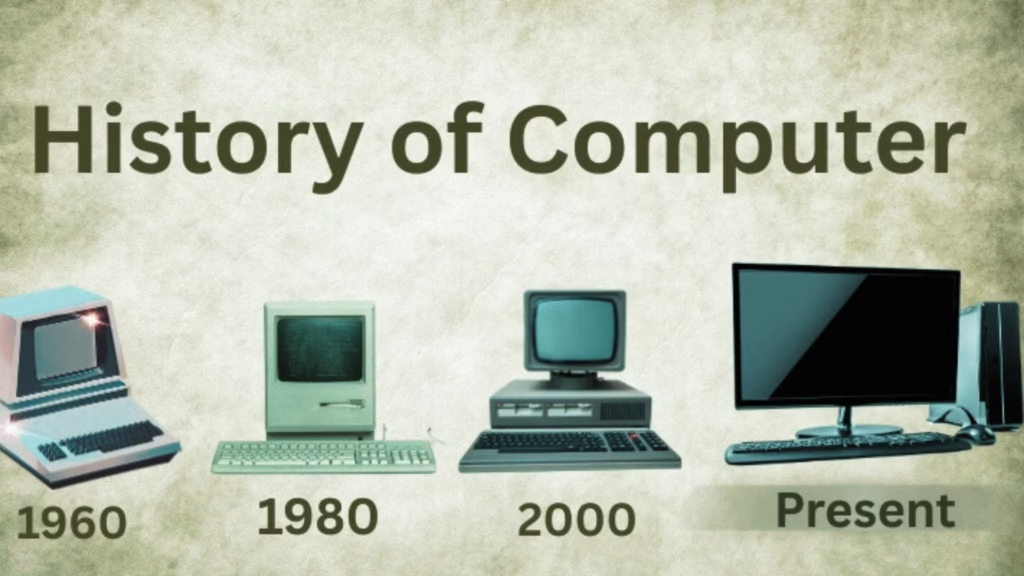
In today’s digital world, data storage and cloud computing are essential. From personal files on our phones to large business databases, storing and accessing data efficiently is critical. This article explains the basics of data storage, types of cloud computing, and how this technology impacts modern life, all in simple English.
What Is Data Storage?
Data storage refers to saving digital information so it can be used later. This includes documents, images, videos, applications, and databases.
Types of Data Storage
- Primary Storage:
- Fast and temporary storage like RAM
- Used while the computer is running
- Secondary Storage:
- Permanent storage like hard drives (HDDs) and solid-state drives (SSDs)
- Stores data even when the computer is off
- Tertiary Storage:
- Backup storage like tapes or optical disks
- Used for archiving and disaster recovery
- External Storage:
- USB drives, external SSDs, and memory cards
- Portable and easy to share
Efficient storage ensures data is safe, accessible, and organized for personal or business use.
What Is Cloud Computing?
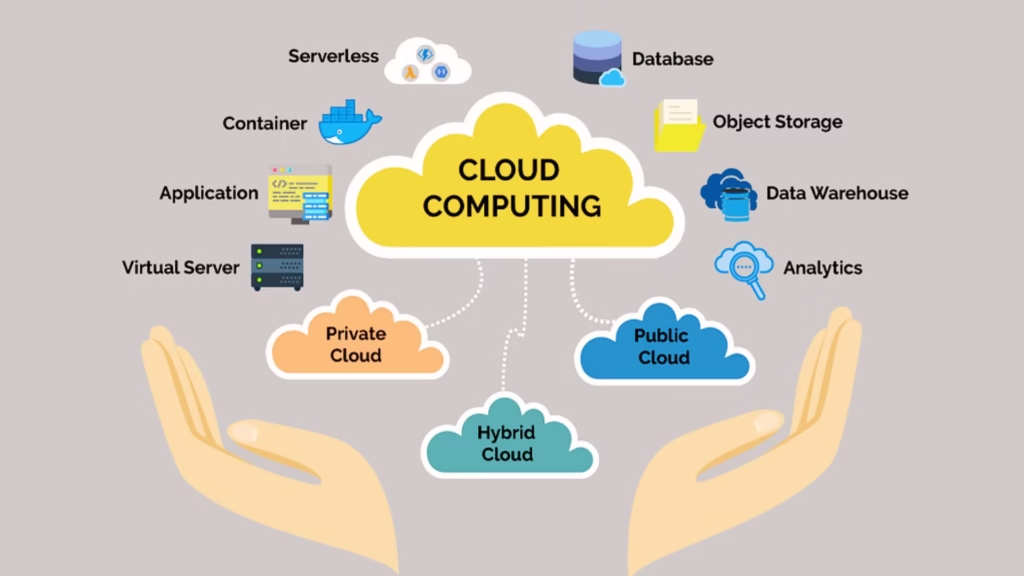
Cloud computing allows users to store, manage, and process data over the internet instead of on local devices. It uses remote servers hosted online to handle computing tasks.
Key Features of Cloud Computing
- On-Demand Access: Access your data and applications anytime, anywhere
- Scalability: Easily increase or decrease storage and computing resources
- Cost Efficiency: Pay for only what you use
- Collaboration: Multiple users can work on the same files simultaneously
Cloud computing has transformed how individuals and businesses handle data, making it faster, flexible, and more secure.
You Can Also Read: software-app-development
Types of Cloud Computing
1. Public Cloud
- Services offered by third-party providers over the internet
- Examples: Amazon Web Services (AWS), Google Cloud, Microsoft Azure
- Cost-effective and easy to access
2. Private Cloud
- Cloud infrastructure used by a single organization
- Provides more control, security, and customization
3. Hybrid Cloud
- Combination of public and private clouds
- Allows organizations to balance flexibility, cost, and security
4. Community Cloud
- Shared infrastructure for a specific community or industry
- Used by institutions with common goals, like universities or healthcare providers
Benefits of Cloud Computing
- Accessibility: Access files from any device connected to the internet
- Backup and Recovery: Automatic backups prevent data loss
- Cost Savings: Reduces the need for expensive hardware and maintenance
- Collaboration: Enables remote teams to work together efficiently
- Security: Many cloud providers offer advanced encryption and protection
Platforms like LE BOSS DU TURF rely on cloud computing to deliver live sports data, updates, and interactive content to users worldwide efficiently and securely.
Cloud Storage vs Local Storage
| Feature | Local Storage | Cloud Storage |
| Accessibility | Only on device | Anywhere with internet |
| Cost | One-time hardware purchase | Subscription-based or pay-per-use |
| Security | User-managed | Provider-managed, often encrypted |
| Backup | Manual | Automatic |
| Collaboration | Limited | Easy collaboration across devices |
Cloud storage complements local storage by offering flexibility and remote access, while local storage provides direct control and offline access.
Real-World Applications
Cloud computing and storage are now used in many areas:
- Business: Online databases, project management, and enterprise applications
- Education: Virtual classrooms, online learning platforms, and research data
- Entertainment: Streaming platforms like Netflix, Spotify, and YouTube
- Healthcare: Patient records, telemedicine, and secure data sharing
- Sports & Gaming: Live updates, game stats, and cloud-based gaming platforms
The cloud allows fast and reliable access to massive amounts of data, supporting modern technology demands.
Security and Challenges
While cloud computing is convenient, it also comes with challenges:
- Data Breaches: Sensitive data can be hacked if not properly secured
- Downtime: Dependence on the internet means disruptions affect access
- Compliance: Businesses must follow local laws for data storage and privacy
- Costs: Mismanagement of resources can increase expenses
Choosing reliable providers and implementing proper security practices is essential for safe cloud usage.
Future of Cloud Computing and Data Storage
Cloud computing is constantly evolving:
- Edge Computing: Processing data closer to where it is generated to reduce latency
- AI Integration: Using artificial intelligence to manage and analyze stored data
- Green Cloud: Energy-efficient servers to reduce environmental impact
- Increased Mobility: Faster access to cloud resources on mobile devices
As technology advances, cloud computing will become even more integrated into everyday life.
Final Thoughts
Understanding the basics of data storage and cloud computing is essential in today’s digital world. Cloud technology allows individuals and organizations to store, access, and manage data efficiently, securely, and collaboratively.
Platforms like LE BOSS DU TURF demonstrate how cloud computing supports live updates, real-time interaction, and seamless content delivery, showing the practical benefits of this technology in modern applications.
Whether for personal files, business operations, or entertainment, cloud computing and digital storage have become fundamental to our digital lifestyle.