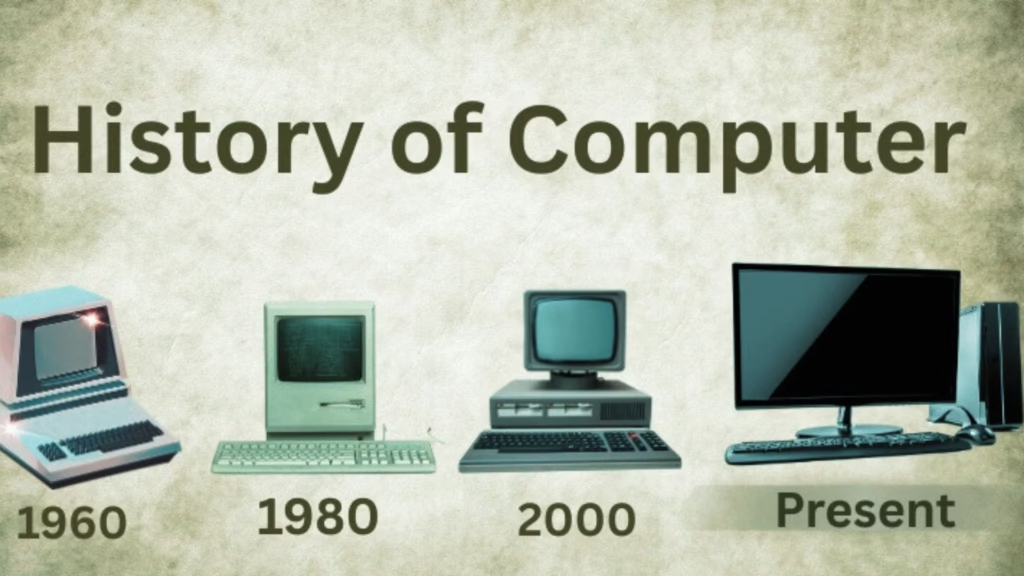
Modern technology has changed our world dramatically. From smartphones and AI to cloud computing and digital media, technology impacts how we live, work, and communicate. However, with these advancements come ethical issues and responsibilities. Understanding these concerns is essential for developers, businesses, and users alike.
What Are Ethical Issues in Technology?
Ethical issues in technology refer to moral concerns and dilemmas that arise when using digital tools, software, and online platforms. These issues often involve privacy, security, fairness, and the potential misuse of technology.
Common Ethical Concerns
- Privacy Violations: Misuse of personal data by companies or hackers
- AI Bias: Unfair or discriminatory outcomes from artificial intelligence
- Cybersecurity Threats: Hacking, identity theft, and data breaches
- Digital Addiction: Overuse of devices leading to mental health issues
- Intellectual Property: Unauthorized copying or sharing of digital content
Addressing these issues requires both technical solutions and ethical responsibility from users and creators.
Responsibilities in Modern Technology
As technology grows, responsible use and development become critical.
1. Developers and Engineers
- Ensure software and AI systems are fair, safe, and secure
- Protect users’ privacy and data
- Avoid biases in algorithms
- Follow ethical guidelines and industry standards
2. Businesses and Organizations
- Be transparent about how user data is collected and used
- Implement strong cybersecurity measures
- Train employees on ethical technology practices
- Avoid exploiting technology for manipulation or harm
3. Users
- Protect personal information online
- Report suspicious or harmful technology practices
- Practice responsible use of devices and social media
- Respect intellectual property rights
Ethical responsibility is shared among all participants in the digital ecosystem.
Privacy and Data Protection
Privacy is one of the most critical ethical issues today.
- Personal Data: Names, locations, financial information, and browsing history can be misused
- Data Collection: Apps, websites, and social media platforms often collect user data
- Responsible Practices: Companies should only collect necessary data, store it securely, and give users control over their information
Platforms like LE BOSS DU TURF prioritize user privacy and follow strict guidelines for collecting and managing data responsibly.
Artificial Intelligence and Bias
AI technology is widely used in decision-making, from hiring tools to recommendation systems.
Ethical Concerns
- Bias: AI can reflect existing social or cultural prejudices
- Transparency: Users often don’t know how AI makes decisions
- Accountability: Who is responsible if AI causes harm?
Responsibilities
- Regularly audit AI systems for fairness
- Use diverse datasets to reduce bias
- Clearly explain AI processes to users
Responsible AI development ensures technology benefits everyone, not just a few groups.
You Can Also Read: data-storage-cloud-computing/
Cybersecurity and Digital Safety
With increasing reliance on technology, cybersecurity has become a major ethical concern.
- Threats: Hacking, ransomware, phishing, and malware
- Responsibilities: Organizations must implement strong encryption, backups, and monitoring
- User Role: Using strong passwords, enabling two-factor authentication, and avoiding suspicious links
Ethical responsibility in cybersecurity protects both organizations and individuals from harm.
Digital Addiction and Mental Health
Technology can be addictive. Social media, gaming, and constant notifications may affect mental health.
- Issues: Anxiety, stress, sleep problems, and reduced productivity
- Responsibilities: Users should manage screen time and set healthy limits
- Developers’ Role: Create apps that encourage responsible usage and include features like screen-time tracking
Ethical technology design considers both user engagement and well-being.
Intellectual Property and Copyright
Digital content is easily shared, but unauthorized copying is unethical.
- Respect copyrights when using software, videos, music, and images
- Developers should protect their creations using proper licenses
- Users should avoid piracy and report stolen content
Ethical responsibility supports creativity, fairness, and innovation in the digital world.
Emerging Ethical Concerns
Modern technology is evolving rapidly, creating new ethical challenges:
- Deepfakes: Manipulated media that can mislead or harm
- Automation and Job Loss: Ethical concerns about AI replacing human workers
- Surveillance Technology: Balancing security with privacy rights
- Environmental Impact: Energy use and e-waste from digital devices
Addressing these issues requires global cooperation, regulations, and responsible innovation.
How to Promote Ethical Technology
- Education: Teach ethical practices to developers, businesses, and users
- Regulations: Governments can enforce rules for privacy, AI, and cybersecurity
- Transparency: Companies should communicate clearly about data use and algorithms
- Accountability: Developers and organizations must be responsible for misuse or harm
- Awareness: Users should stay informed about risks and safe technology practices
Ethical technology requires collective effort from creators, regulators, and users.
Final Thoughts
The ethical issues and responsibilities in modern technology are becoming more important every day. Privacy, AI bias, cybersecurity, digital addiction, and intellectual property are just some of the challenges we face.
Platforms like LE BOSS DU TURF show that technology can be used responsibly to provide valuable services while respecting user privacy and digital ethics.
By understanding these ethical concerns and taking responsibility, we can ensure that technology improves our lives safely, fairly, and sustainably.