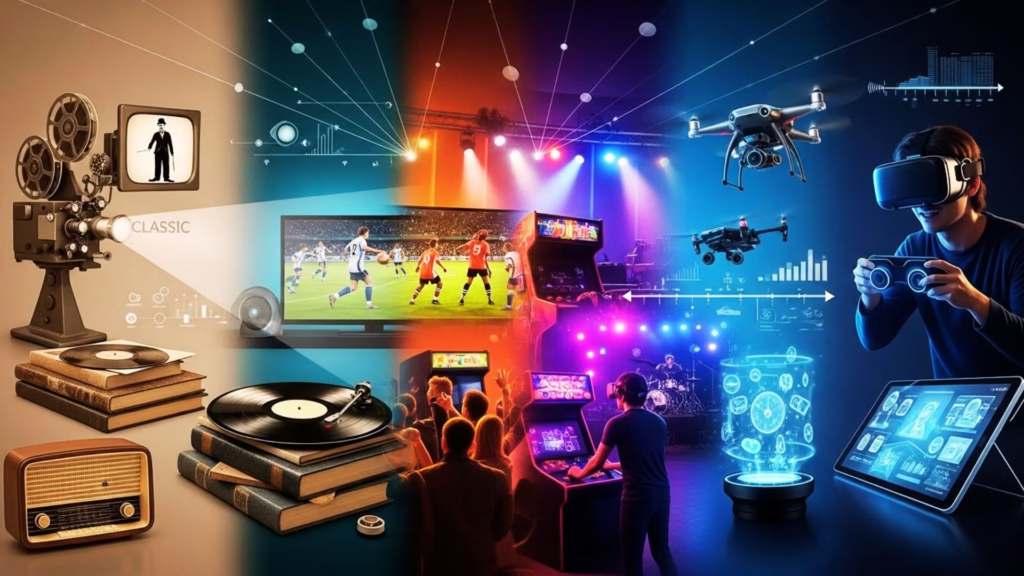
The rise of streaming platforms has completely transformed how people watch movies, listen to music, and engage with digital content. From traditional television schedules to instant, on-demand access, the shift has been both rapid and revolutionary. Today, streaming is not just an alternative—it is the dominant way people consume entertainment globally.
In this article, we explore how streaming platforms have reshaped viewer behavior, content creation, and the overall entertainment ecosystem.
The Shift from Traditional Media to Streaming
Before streaming services became mainstream, audiences depended on cable TV, DVDs, and scheduled programming. Missing a show meant waiting for reruns. However, streaming platforms eliminated this limitation by offering on-demand access, allowing users to watch content anytime and anywhere.
This transformation is backed by data: digital streaming now accounts for a significant portion of total viewing time, with around 60% of TV consumption happening via streaming platforms . This shift highlights how audiences prefer flexibility over rigid broadcasting schedules.
On-Demand Convenience and Flexibility
One of the biggest advantages of streaming platforms is convenience. Users can:
- Watch content anytime
- Pause, rewind, or skip scenes
- Access content across devices (smartphones, laptops, smart TVs)
This flexibility has made streaming more appealing than traditional formats. In fact, mobile devices alone account for over 65% of global digital media consumption time .
Streaming has essentially put control in the hands of the viewer, replacing the “watch what’s on” model with a “watch what you want” experience.
The Rise of Binge-Watching Culture
Streaming platforms introduced an entirely new viewing behavior—binge-watching. Instead of waiting weekly for new episodes, viewers can watch entire seasons in one sitting.
Studies show that about 72% of streaming users prefer binge-watching . This has significantly influenced how content is produced, with creators designing shows that keep viewers hooked episode after episode.
Binge-watching has also changed social interactions. Instead of discussing weekly episodes, audiences now discuss entire seasons, often driven by social media trends.
Personalized Content and Algorithms
Another major transformation is personalization. Streaming platforms use advanced algorithms and artificial intelligence to recommend content based on user preferences.
- Around 70% of viewers feel streaming platforms offer personalized experiences
- Viewers are more likely to discover new shows through recommendations rather than traditional advertising
This level of customization enhances user satisfaction and keeps audiences engaged for longer periods.
Increased Content Variety and Global Reach
Streaming platforms have expanded the range of available content dramatically. Unlike traditional TV, which is limited by time slots, streaming services can host thousands of titles simultaneously.
- There are now over 10,000 original streaming series globally
- Platforms offer content from different countries, languages, and cultures
This global accessibility has allowed audiences to explore international entertainment, such as Korean dramas, Spanish thrillers, and global music trends.
Multi-Device and Multi-Screen Consumption
Streaming has also changed how people consume content across devices. It is now common for viewers to use a “second screen” (like a smartphone) while watching TV.
- Over 50% of viewers use multiple devices simultaneously
This behavior reflects a more interactive and connected viewing experience, where users engage with social media, reviews, or related content while watching.
Impact on Traditional Media and Cinema
Streaming platforms have disrupted traditional television and cinema industries. Cable subscriptions are declining as more people switch to streaming services.
However, the relationship between streaming and cinema is evolving rather than disappearing. Recent trends show that younger audiences still value the theater experience, with 87% of Gen Z visiting cinemas at least once a year .
This suggests that streaming has not replaced traditional entertainment entirely but has redefined its role.
Changing Revenue Models and Subscriptions
Streaming has introduced new business models, including:
- Subscription-based services (monthly fees)
- Ad-supported streaming options
- Bundled services
Interestingly, while subscriptions have increased, overall spending on entertainment has remained relatively stable, indicating that users are shifting from cable to streaming rather than spending more overall .
Social Media Integration and Content Discovery
Streaming platforms are closely connected with social media. Platforms like TikTok and Instagram influence what people watch, creating viral trends that drive viewership read more THE BOSS OF TURF
- About 40% of Gen Z users discover content through social media
This integration has made entertainment more interactive and community-driven, where viewers actively participate in discussions and trends.
The Future of Entertainment Consumption
Streaming platforms continue to evolve with new features such as:
- Interactive content
- Live streaming and real-time engagement
- AI-driven recommendations
- Short-form video integration
As technology advances, the line between content creators and consumers is becoming increasingly blurred.
Conclusion
Streaming platforms have fundamentally changed how people consume entertainment by offering convenience, personalization, and unlimited access to content. From binge-watching habits to mobile viewing and global content discovery, the shift has reshaped the entire media landscape.
While challenges like content overload and subscription fatigue exist, the overall impact remains overwhelmingly positive. Streaming has empowered audiences, diversified storytelling, and redefined entertainment for the digital age.
How streaming platforms changed the way people consume entertainment